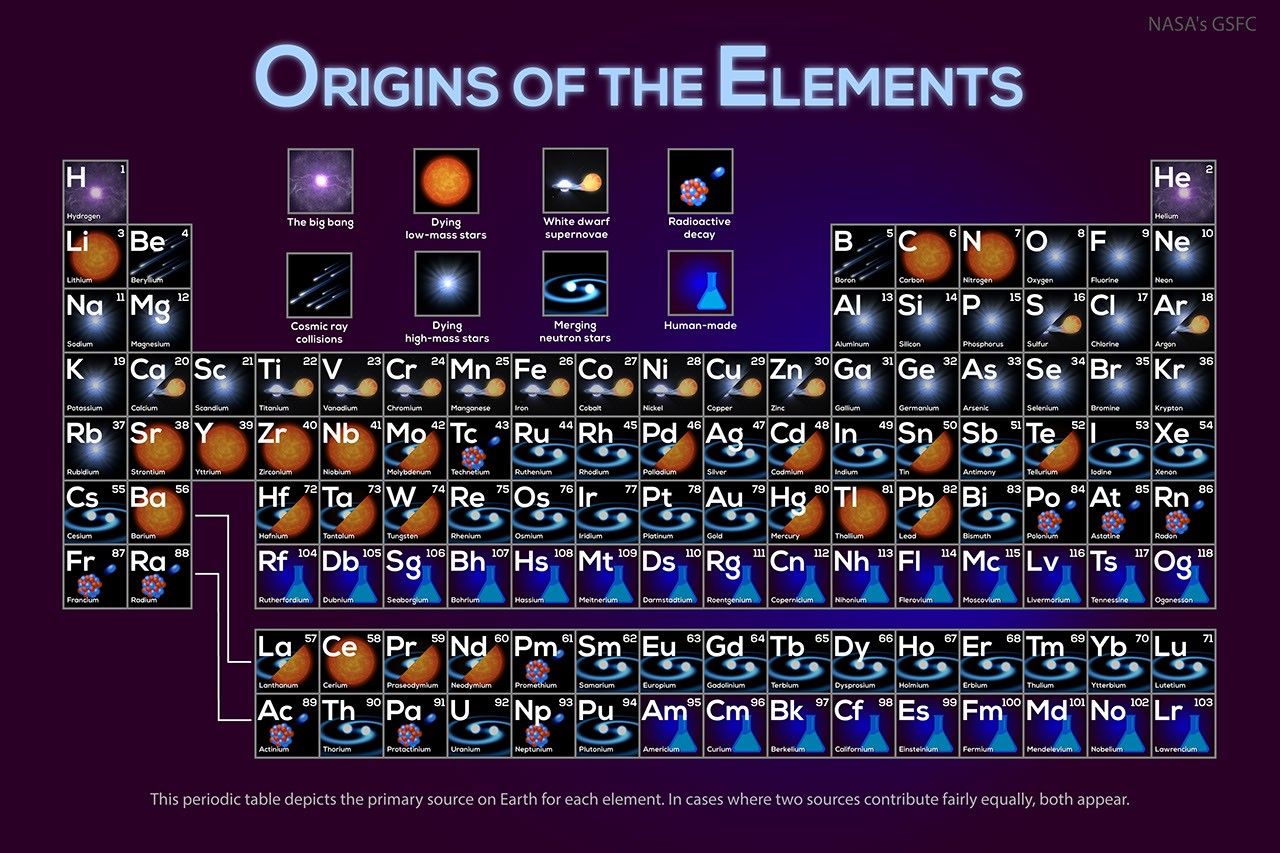
Series of reactions reveals how complex carbon chemistry can begin in frigid space #Space Science2026.09.14 Phys.org
The original 'Star Wars' is coming to IMAX for the first time ever in 2027 #Space Science2026.09.14 Space.com
Physicists zoom into the birth of cosmic rainstorms with new CERN study #Space Science2026.09.14 Phys.org
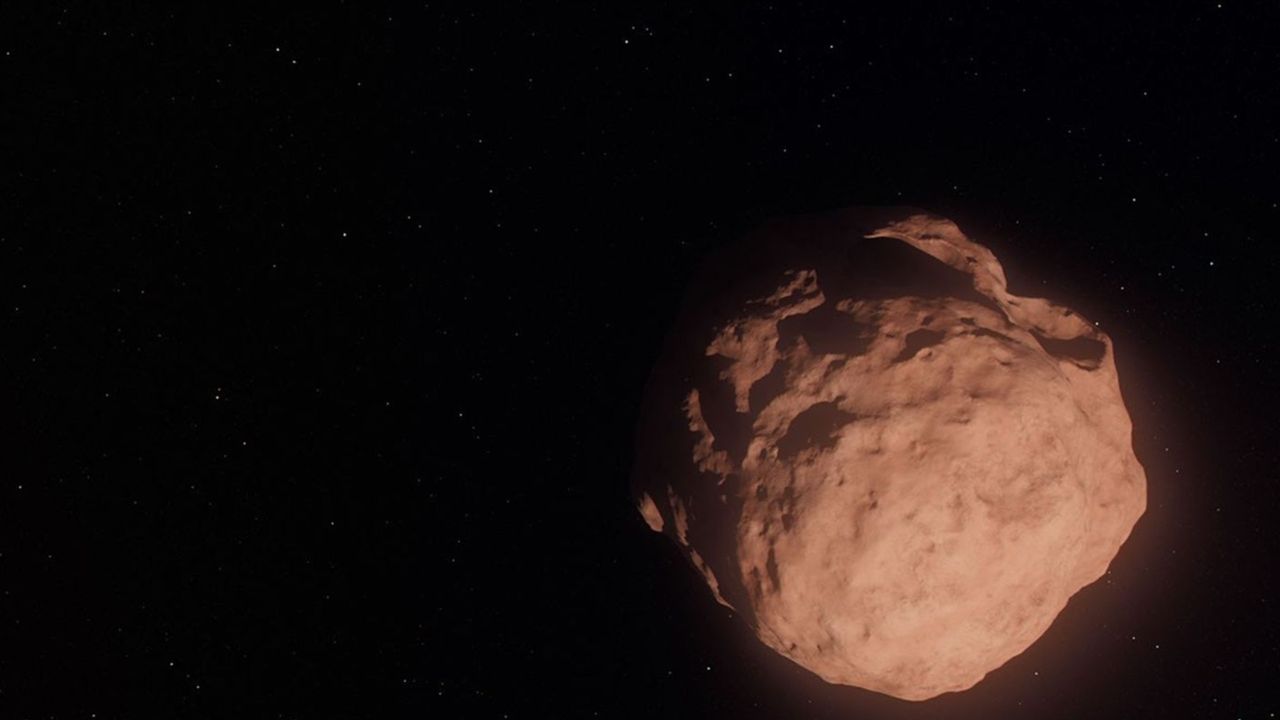
James Webb Space Telescope and Hubble discover 27 puzzling new objects orbiting the sun far beyond Neptune #Space Science2026.09.14 Space.com
Illustrative image Sophia Space, SLI Set Terms for $300M Satellite Leasing Deal #Satellites2026.09.14 Payload
JWST ruled out finding tiny moons around an exoplanet—that's great news #Space Science2026.09.13 Phys.org
Illustrative image Why SpaceX is finishing another space-internet system that isn’t Starlink #Satellites2026.09.13 Teslarati
Masked tectonic structures suggest Mercury contracted 40% more than its visible scars alone indicate #Space Business2026.09.13 Phys.org
Gravitational-wave analysis narrows the search for black hole impostors #Space Science2026.09.13 Phys.org
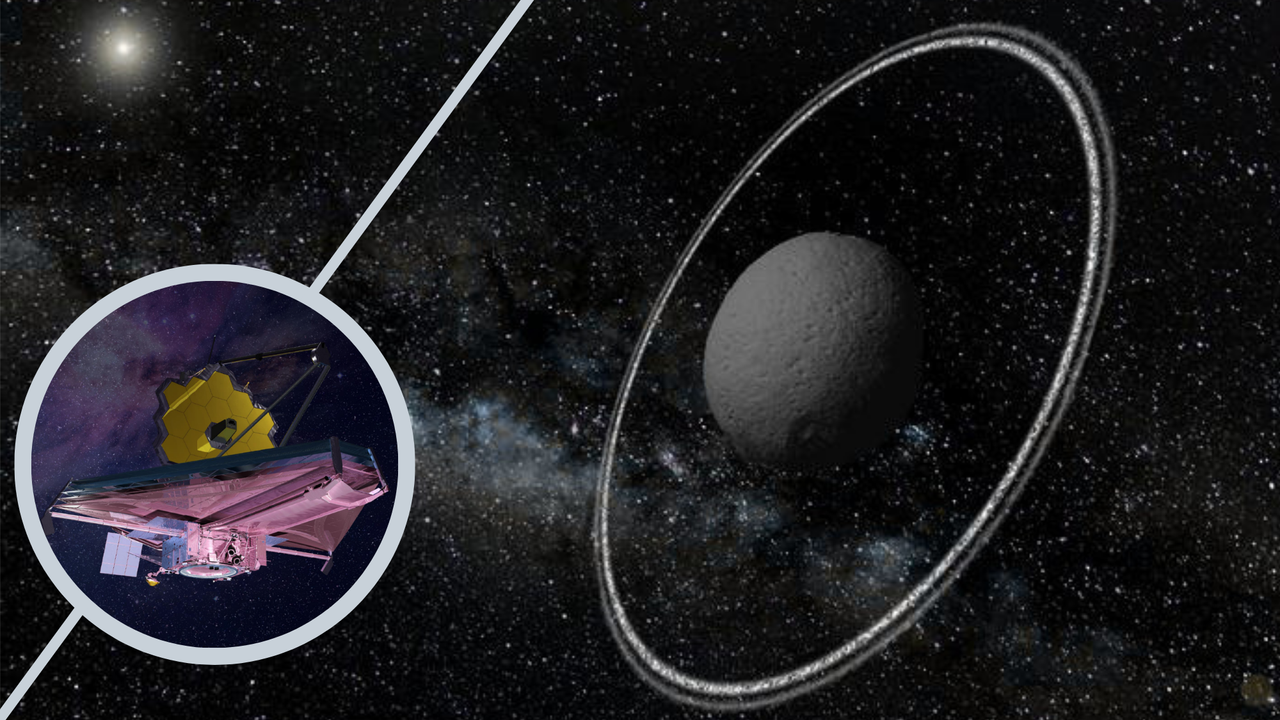
James Webb Space Telescope discovers the rings of tiny solar system body Chariklo are changing #Space Science2026.09.13 Space.com
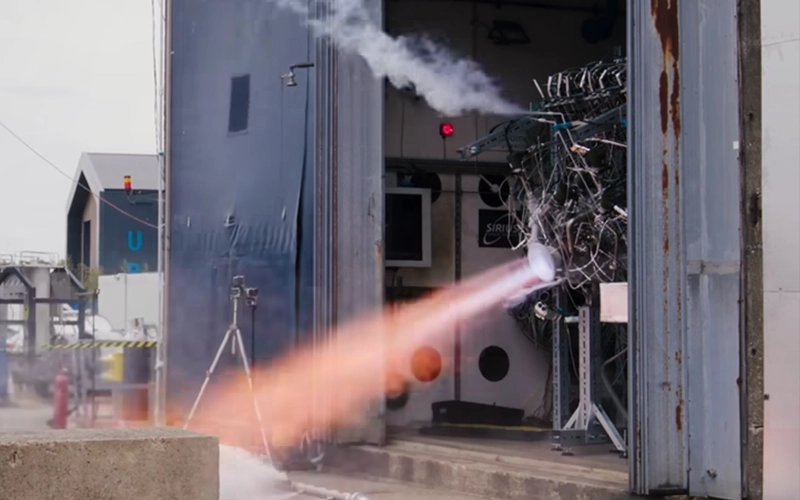
Sirius Space Fires Complete STAR-1 Rocket Engine for the First Time #Rockets2026.09.13 European Spaceflight
Illustrative image A New Catalog of Close to 3,000 Supernova Challenges Theories on Dark Energy #Space Science2026.09.13 Universe Today
Japan's Hayabusa2 achieves first-ever laser ranging experiment with an asteroid #Japan in Space2026.09.12 Phys.org
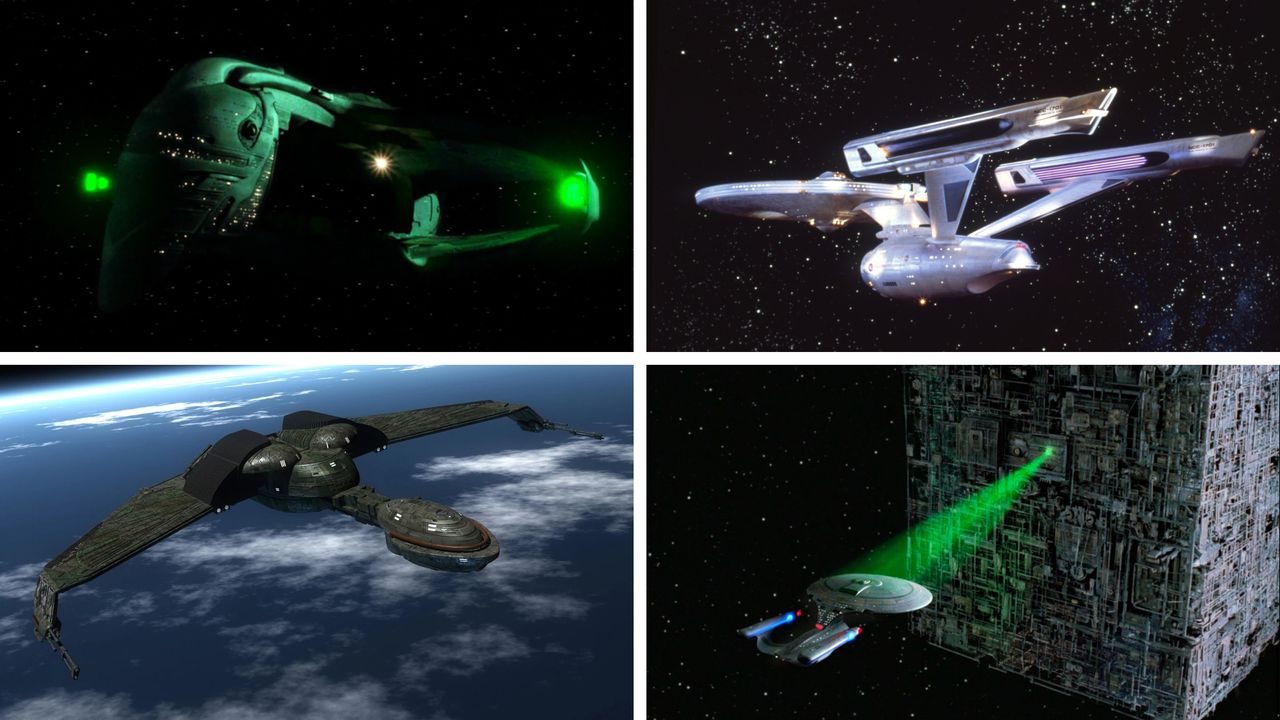
The best 'Star Trek' spaceships: 14 classic vessels from the Federation and beyond #Space Science2026.09.12 Space.com
Why are the stars around our galaxy's black hole missing their companions? #Space Science2026.09.12 Phys.org
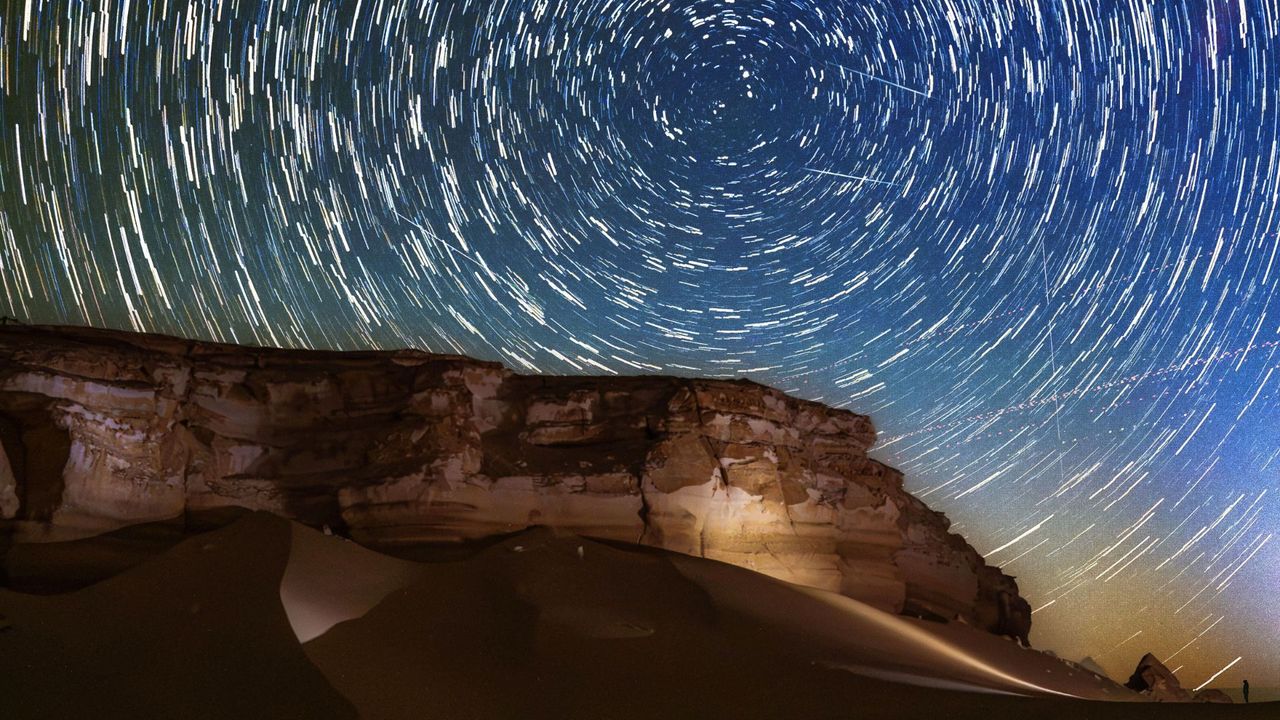
Perseid meteors meet mesmerizing star trails over Egypt's Western Desert #Space Science2026.09.12 Space.com
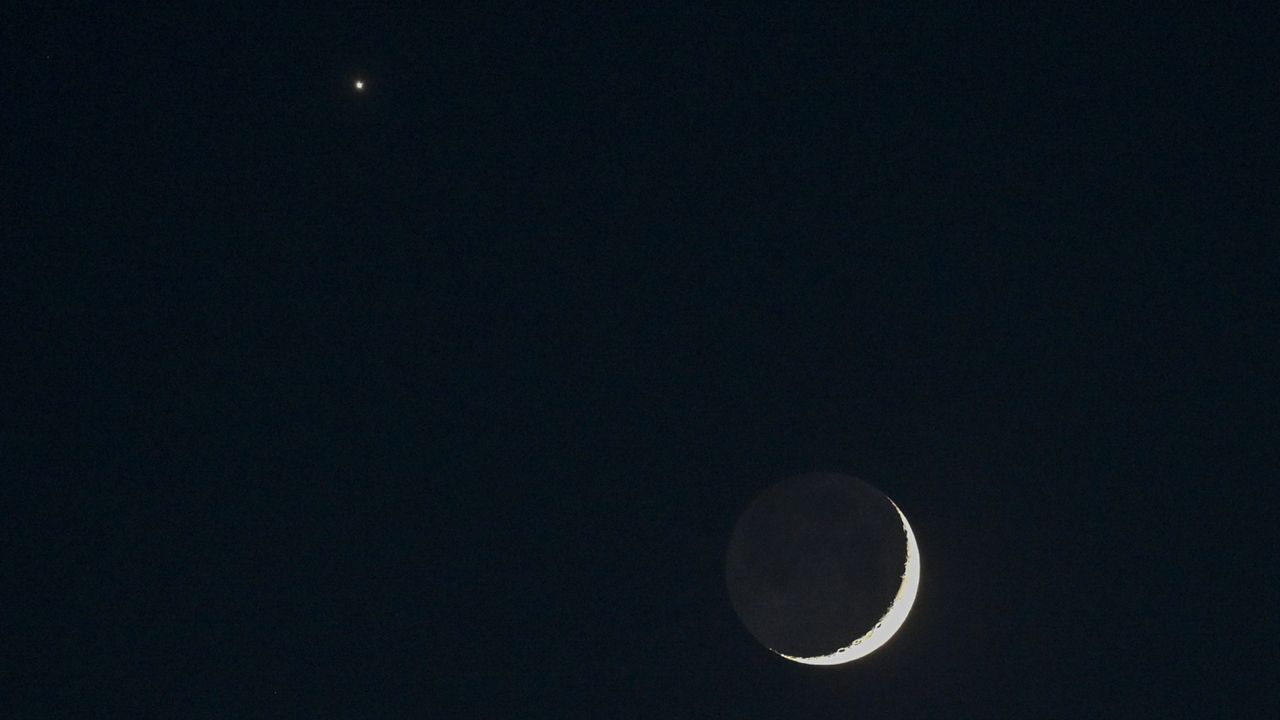
Illustrative image Venus Moon Would Have Been Doomed From The Start, Says New Paper #Space Science2026.09.12 Universe Today
Illustrative image Dense Galaxies Are Carving Out A Bubble in the Early Universe #Space Science2026.09.11 Universe Today
A star is exploding 45 million light-years away — here's how you can see it #Space Science2026.09.11 Space.com